
Guide
How to Start a Jewelry Dropshipping Business in the US (2027 Guide)
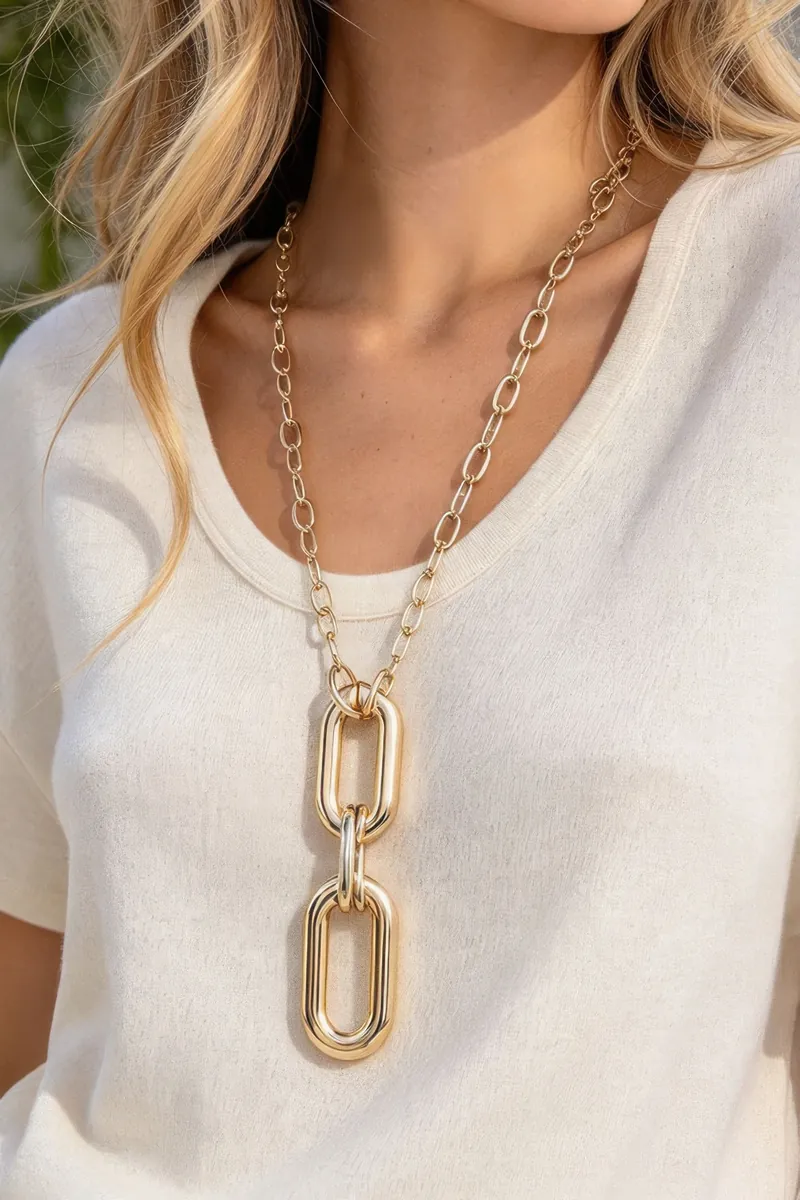
To start a jewelry dropshipping business in the US, you need six things: a clear niche, a Shopify store, a US-based supplier that ships for you, prices that leave real profit, a seller's permit for sales tax, and a simple plan to bring in customers. You don't need to buy inventory. You pay the supplier only after a customer orders, and they ship the piece straight to your customer.
This guide walks through each step, with real numbers. We run Glint Wholesale, a dropshipping app that stocks, packs and ships jewelry from our Los Angeles warehouse, so we've used our own prices and shipping times as examples. The steps work with any supplier.
1. Pick your niche and your customer
"Jewelry" is too broad to stand out. Pick a style and a customer you understand, then build every collection around them. A few niches that work well for small boutiques:
- Everyday gold: dainty chains, huggie hoops and layering necklaces for daily wear
- Statement pieces: bold earrings and chunky necklaces for going out and events
- Pearls and classics: pearl studs, strands and gold accents for work and gifting
- Occasion and bridal: crystal earrings, evening clutches and pieces for weddings and parties
- Jewelry plus accessories: handbags, belts and jewelry styled together, like a small fashion boutique
Start with 50 to 150 pieces, not thousands. A tight, curated store looks more trustworthy, and it's easier to photograph, describe and market. Add new arrivals every week so returning customers always see something new.
2. Choose a US-based supplier
Your supplier decides how fast orders arrive, how they look when they're opened, and what happens when something goes wrong. Before you commit, ask every supplier the same questions:
| Question | Why it matters |
|---|---|
| Where do orders ship from? | US warehouses usually mean faster delivery and simpler returns. |
| How long is handling, and how long is delivery? | Customers expect a clear delivery window, and you'll print it on your shipping policy. |
| Is packaging plain or branded? | Blind (plain) packaging means your customer never sees the supplier's name or prices. |
| What's the returns and damaged-item policy? | Your own return policy can't promise more than your supplier gives you. |
| Is stock synced to your store? | Without it, you'll sell pieces that are already sold out. |
| Are there minimums or upfront costs? | True dropshipping has no inventory to buy. |
| Can you order samples? | You need to see and photograph the quality yourself. |
For example, Glint ships every order from Los Angeles within 1–2 business days of payment by USPS Ground Advantage with tracking, and most orders arrive within 5–7 days of payment. Packages carry no Glint name, prices or invoice. US shipping is included in the wholesale price, and there are no minimums. See shipping and returns for the full details. Compare a few suppliers on the questions above before you choose.
3. Order samples before you launch
Order a handful of your favorite pieces for yourself first. Samples let you check the quality, metal color and sizing, take your own photos and videos, and answer customer questions honestly. Many suppliers sell samples at the wholesale price. On Glint, samples are at wholesale with free US shipping.
Your own photos, especially pieces worn on a person, will usually sell better than catalog photos alone. Use both.
4. Set up your Shopify store
Shopify is the most common platform for dropshipping because supplier apps plug straight into it. On Shopify's own pricing page, the Basic plan is listed at $29 a month, with a 3-day free trial and then $1 a month for 3 months (Shopify). Paid monthly instead of yearly, Basic costs $39 a month (Tech.co).
What to set up before launch:
- Pick a free theme and keep the design simple: clear photos, readable text, easy menus.
- Buy a custom domain so your store looks established.
- Install your supplier's app and add your first collections.
- Write the pages customers check before buying: shipping policy, return policy, about us and contact.
- Set up payments, and place a test order to make sure everything works.
5. Price for profit
The most common starting point is keystone pricing: retail price = 2 × wholesale price. Glint shows a suggested retail price of exactly twice the wholesale price on every piece, and you can set your own.
Remember the card processing fee. Shopify lists Basic plan card rates from 2.9% + 30¢ per online sale (Shopify). Here's what you keep per sale at a few price points, with shipping to the customer already included in the wholesale price:
| Wholesale (you pay) | Retail (customer pays) | Card fee (2.9% + 30¢) | You keep |
|---|---|---|---|
| $9.50 | $19.00 | $0.85 | $8.65 |
| $12.25 | $24.50 | $1.01 | $11.24 |
| $12.25 | $29.99 | $1.17 | $16.57 |
| $20.00 | $40.00 | $1.46 | $18.54 |
| $20.00 | $44.99 | $1.60 | $23.39 |
Two tips. First, prices ending in .99 or .00 both work; pick one and use it everywhere. Second, don't race to the bottom on price. A curated selection, good photos and fast US delivery are worth paying for.
6. Handle the business basics
This section is general information, not tax or legal advice. Rules differ by state, so check with your state's tax agency or an accountant.
- Business structure: many owners start as a sole proprietor and form an LLC later. Talk to an accountant about which fits you.
- Seller's permit: a seller's permit is a state-issued certificate that authorizes your business to collect sales tax (Shopify). In California it's called a seller's permit; other states call it a sales tax permit or license.
- Resale certificate: a resale certificate lets you buy products tax-free when you plan to resell them (Shopify). Rules for drop shipments vary by state. Some suppliers won't accept a certificate and will charge sales tax on the wholesale purchase anyway (Stripe).
- Keep records: track every sale, wholesale cost and fee from day one. It makes taxes much easier.
7. Launch and find your first customers
You don't need a big ad budget to get your first sales. Start where your future customers already are:
- Instagram and TikTok: post your new arrivals, try-on videos and styling ideas several times a week.
- Friends, family and local community: your first orders often come from people who already know you. Ask them to share.
- Email: collect emails from day one with a simple sign-up form, and send a short new-arrivals email each week.
- Search: write clear product titles and descriptions with the words people search for, like "gold huggie hoop earrings".
If you use Glint, free marketing designs arrive every week (posts, stories and website banners) with captions written for you, built from pieces in the catalog.
8. Take care of customers after the sale
Good service turns first orders into repeat customers:
- State your delivery time clearly on product pages and in your shipping policy.
- Send tracking automatically. With Glint, the tracking number is added to your Shopify order and your store emails your customer.
- Match your return policy to your supplier's. Glint accepts returns requested within 30 days of delivery, and damaged or wrong pieces always come back free.
- Answer messages quickly and kindly, even when something went wrong.
Questions
How much money do I need to start a jewelry dropshipping business?
You can start for well under $200. The main costs are your Shopify plan, a domain, your supplier's app or plan, and a few samples. With Shopify's current offer of 3 free days and then $1 a month for 3 months, plus a 14-day free trial on an app like Glint, your biggest first expense is usually samples.
Is jewelry dropshipping profitable?
It can be. Jewelry is light, small and easy to ship, and keystone pricing leaves room for profit after fees. In the table above, a $12.25 wholesale piece sold at $29.99 leaves about $16.57 after the card fee. Your real profit depends on your prices, your marketing costs and your return rate.
Do I need an LLC to start?
Not always. Many owners start as a sole proprietor. You will usually need a seller's permit to collect sales tax. Check your state's rules or ask an accountant.
How long does shipping take from a US supplier?
It depends on the supplier. Glint ships within 1–2 business days of your payment, and most orders arrive within 5–7 days of payment. Always check each supplier's stated handling and delivery times.
Will my customers know I use a dropshipping supplier?
Not if your supplier uses blind (plain) packaging. Glint packages carry no Glint name, prices or invoice, and the tracking email comes from your store. You can also order custom pouches and mailers with your own logo.